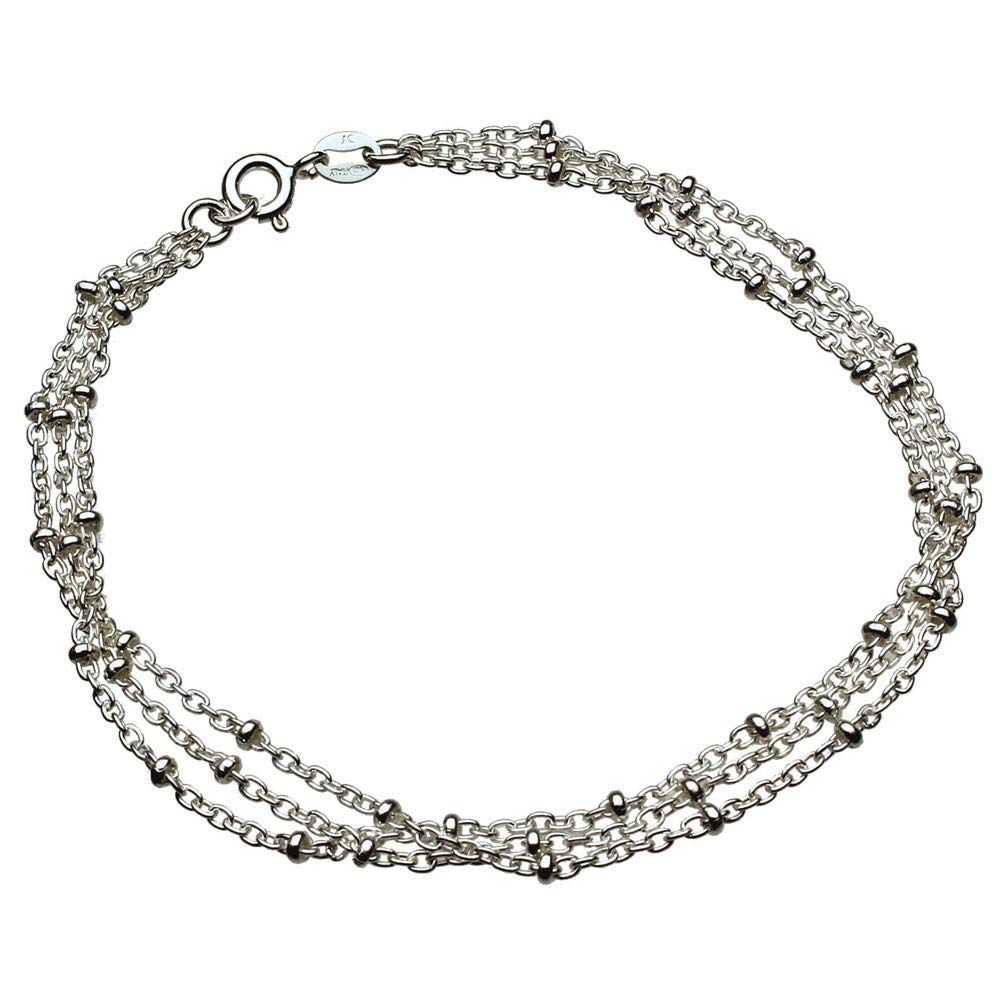
Discover the nuances of choosing a sterling silver flat heart link charm anklet that balances style and durability. This piece explores its real-world use expectations, maintenance considerations, and how it stacks up against other styles.

Why Choosing Within this Category is Difficult
Selecting an ankle adornment from such a wide array can be daunting for many women looking to add some sparkle or sentimentality to their summer wardrobe. The market offers everything from delicate gold chains with tiny charms to bold silver anklets that make a statement, making it challenging to find the perfect fit.
Common Buyer Mistakes
One frequent mistake is purchasing an anklet based on appearance alone without considering its comfort and durability in everyday wear. Another common error involves not measuring properly for size or choosing materials that may irritate sensitive skin due to nickel content.
Real-World Use Expectations
The sterling silver flat heart link charm anklets are designed with a sleek, minimalist aesthetic yet add an element of personal expression through the inclusion of small charms attached along its length. These pieces can be worn year-round but shine particularly in warmer seasons when bare feet and summer dresses become more prevalent.
Where this Product Fits (Strengths & Weaknesses)
Strengths
- Versatility: The flat link design allows for smooth movement against skin, preventing irritation.
- Durability: Sterling silver resists tarnishing better than many other metals like brass or plated alternatives commonly used in less expensive anklets. It also holds a polish well over time with proper care.
Weaknesses
- Adjustment Limitations: These chains typically come pre-adjusted to specific sizes, which may not accommodate every wearer's ankle circumference perfectly without some customization.
- Price Point: While more affordable than solid gold options, sterling silver anklets still carry a premium relative to base metals such as stainless steel.
Who Should Avoid This Product
Individuals with allergies or sensitivities to nickel should steer clear of this item unless explicitly labeled "nickel-free," which is often the case for higher-end pieces. Additionally, those seeking something more substantial and weighty might be better suited by heavier chain styles like cable links rather than flat ones.
Comparison With Alternative Styles
When compared with other popular anklet designs such as ball chains or thick rope-style silver bands:
- Ball Chain: Offers a bolder look but can feel bulkier against the skin.
- Rope Style Band: Provides significant weight and presence, ideal for those who prefer something more substantial.
Maintenance And Long-Term Considerations
To keep your sterling silver flat heart link charm anklet looking its best over time:
- Clean it regularly using mild soap and water to remove oils or dirt buildup.
- Store in a dry environment away from moisture that could cause tarnishing.
- Avoid exposing the piece to harsh chemicals like chlorine, which can dull metal finishes.
Frequently Asked Questions
Q: Is sterling silver better than gold for everyday wear?
A: Sterling silver offers durability and affordability while still providing an elegant look; however, those with more severe allergies might prefer hypoallergenic metals or 14k/18k gold options.
Q: Can I swim wearing this anklet?
A: It's best to avoid exposure to chlorinated water as it can damage the finish and cause premature tarnishing.
Q: How do I adjust a standard size chain if needed?
A: Consider visiting your local jeweler who might be able to resize or add an extender link for you at no cost, depending on their policies.
Final Neutral Thoughts
The sterling silver flat heart link charm anklet presents itself as both stylish and practical option within the realm of women's ankle jewelry. It caters well towards those seeking something elegant yet comfortable enough for daily wear without breaking the bank compared to gold alternatives. However, before making a purchase decision, it’s crucial to weigh personal preferences regarding metal type against potential drawbacks in terms of adjustability limitations or cost factors relative to other materials available on market shelves today.