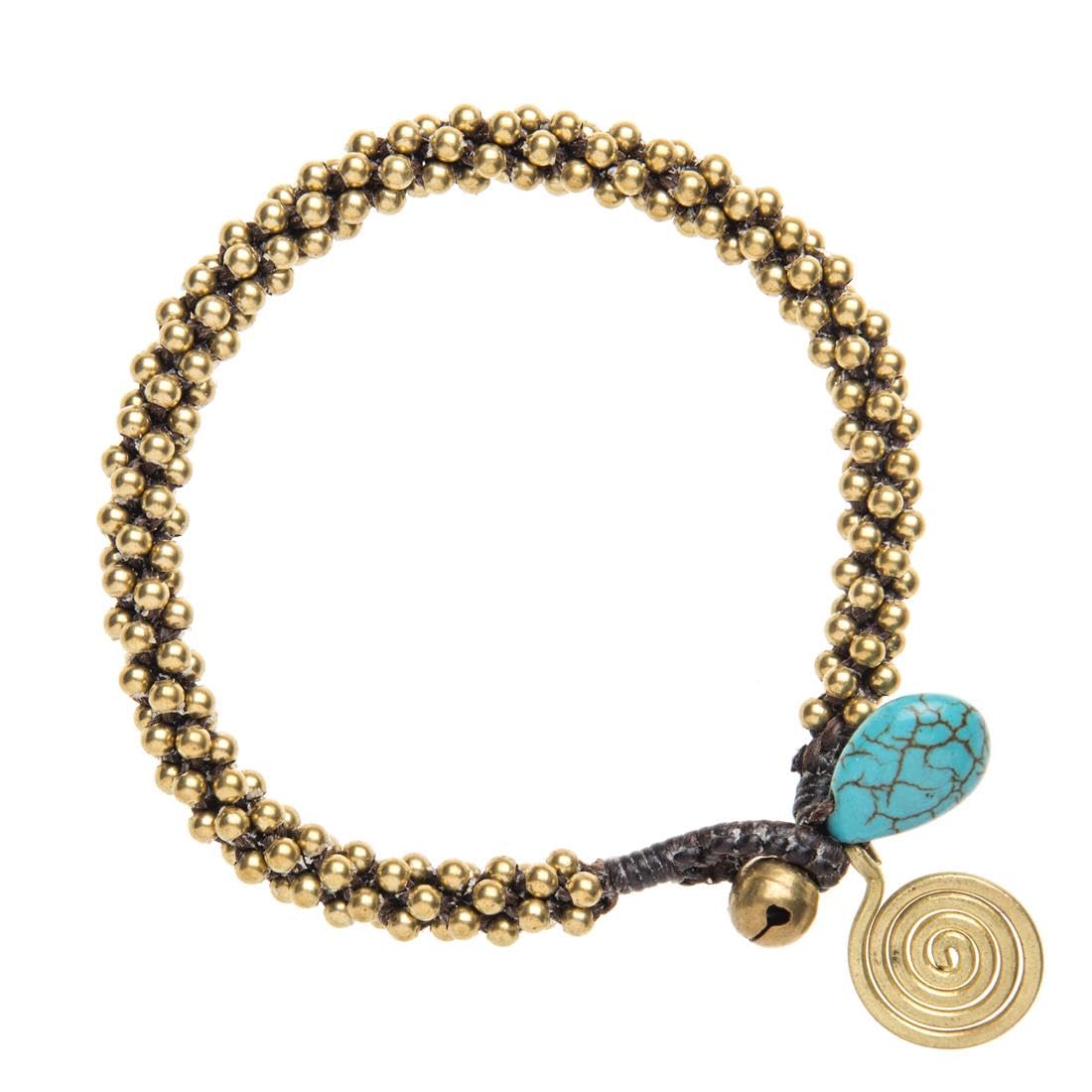
The Uma Indian Traditional Belly Dance brass anklet offers authentic cultural flair but comes with specific performance and styling requirements.

Introduction to Women's Anklets
Choosing the right women’s ankle jewelry can be a daunting task. With so many styles, materials, and purposes available in today's market, it is easy for buyers to feel overwhelmed by options ranging from simple chains to elaborate traditional pieces like the Uma Indian Traditional Belly Dance Ghungroo Brass Anklet.
Common Buyer Mistakes
One common mistake women make when selecting anklets is focusing solely on aesthetics without considering their intended use. Another frequent oversight involves not understanding that some styles, such as those designed for belly dancing or cultural performances, might be less practical in everyday settings like casual outings and office environments due to noise level.
Real-World Use Expectations
The Uma Indian Traditional Belly Dance Ghungroo Brass Anklet is crafted primarily with dancers' needs in mind. It features small metal discs that produce a distinctive sound when the wearer moves, enhancing performance dynamics during belly dancing routines or traditional performances. However, its design means it's not ideal for silent activities like meditation or quiet walks.
Where This Product Fits
Strengths
- Authenticity: The Uma anklet embodies true Indian cultural heritage.
- Performance Enhancement: Its unique sound helps dancers maintain rhythm and timing during shows.
- Durability: Made from brass, it is resistant to rust and tarnish if properly cared for.
Weaknesses
- Noise Level: May be too noisy or distracting in non-performance settings like quiet social gatherings.
- Limited Versatility: Not suitable as everyday wear due to its specific purpose and design limitations.
Who Should Avoid This Product
This traditional Indian Ghungroo anklet is best avoided by individuals who:
- Are looking for a versatile piece of jewelry that can be worn casually without being too loud or noticeable.
- Prefer minimalist designs over intricate, culturally-specific items.
- Require ankle accessories primarily for fashion purposes rather than performance enhancement.
Comparison with Alternative Styles
For those seeking an anklet more suited to everyday wear and general versatility:
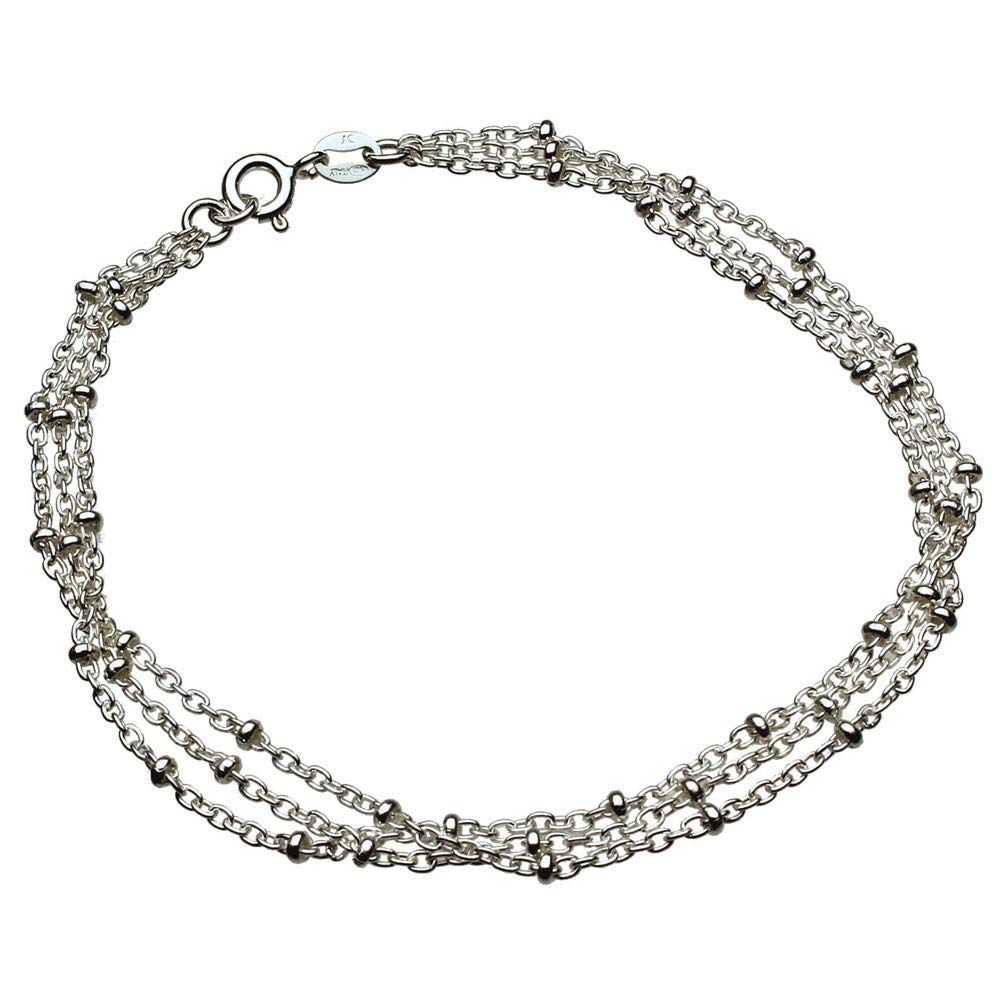
- Simple Chain Anklets: These offer a sleek look without the noise of metal discs or bells.
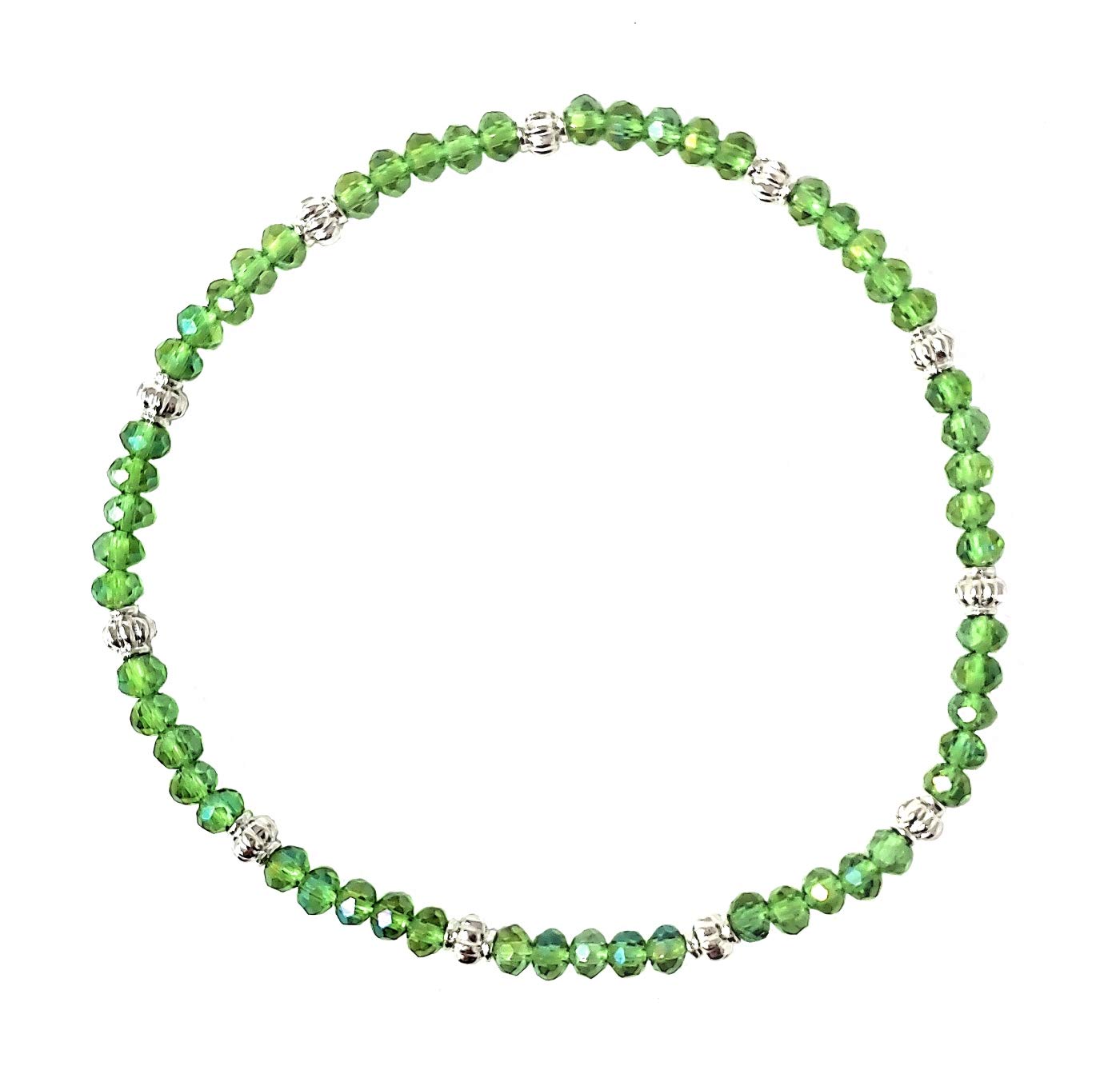
- Flexible Bracelet-Anklets: Designed as bracelets that can be worn around ankles, these pieces provide both fashion appeal and flexibility in use.
Maintenance and Long-Term Considerations
To ensure longevity, users should clean their Uma Indian Traditional Belly Dance Ghungroo Brass Anklet regularly with a soft cloth to remove sweat or oils. Avoiding exposure to harsh chemicals like chlorine is also crucial for preserving the brass finish over time.
Final Thoughts
The Uma Indian Traditional Belly Dance Ghungroo Brass Anklet stands out as an excellent choice for those deeply connected to cultural traditions and looking to enhance their dance performances with authentic accessories. However, it's important to consider its limitations before making a purchase decision based purely on aesthetic appeal or intended daily use.
Frequently Asked Questions
Q: Is this anklet suitable for everyday wear?
A: No, the Uma Indian Traditional Belly Dance Ghungroo Brass Anklet is designed specifically for performance and cultural events rather than casual day-to-day activities due to its noise level and design focus on dance movements.
Q: How do I care for my brass anklet properly?
A: Clean your anklet regularly with a soft cloth, avoid contact with harsh chemicals like chlorine or perfumes that could damage the metal finish over time.
Q: Can this be worn during non-dance social events?
A: While visually appealing and culturally significant, its noise level makes it less suitable for quiet settings such as formal dinners or office environments where subtlety is preferred.