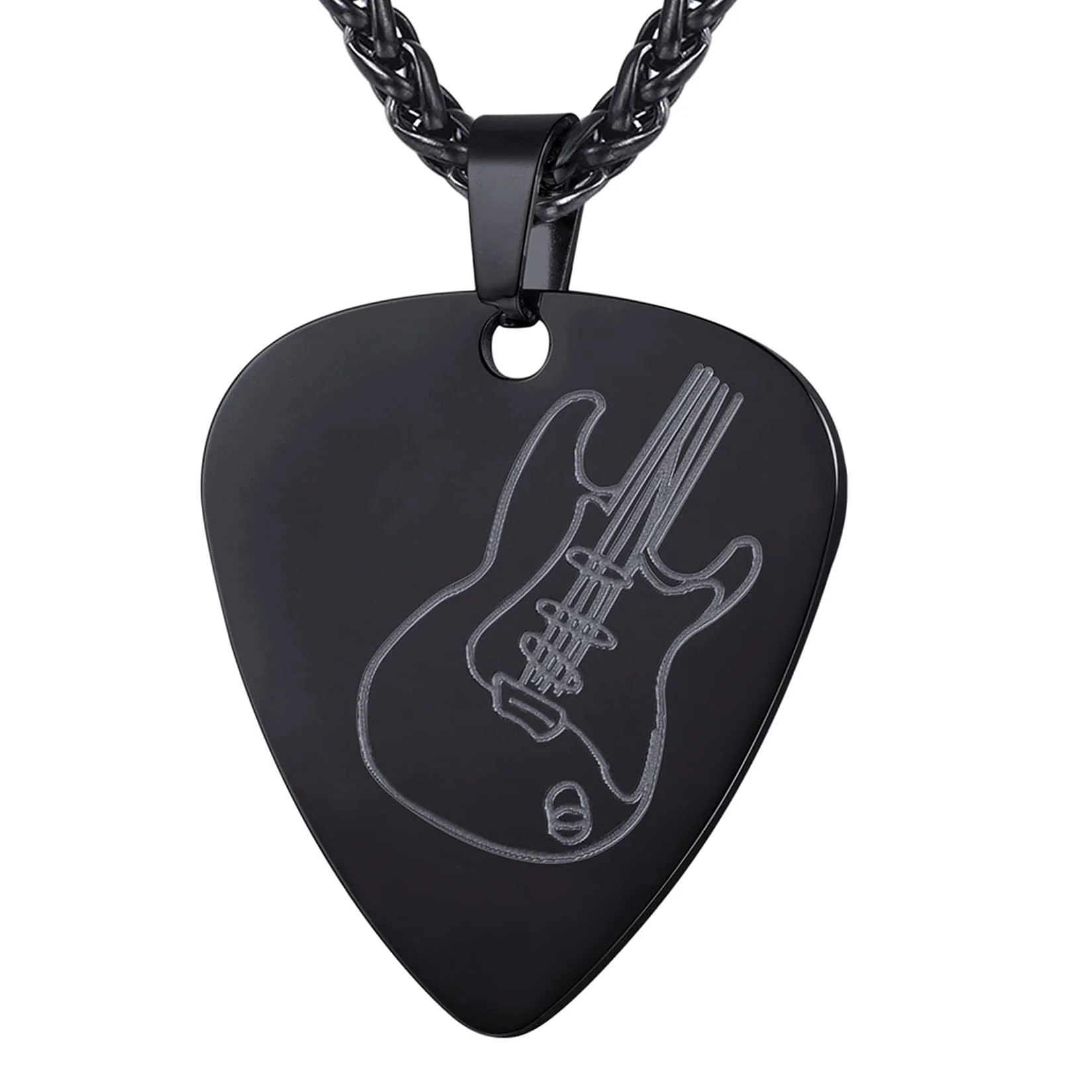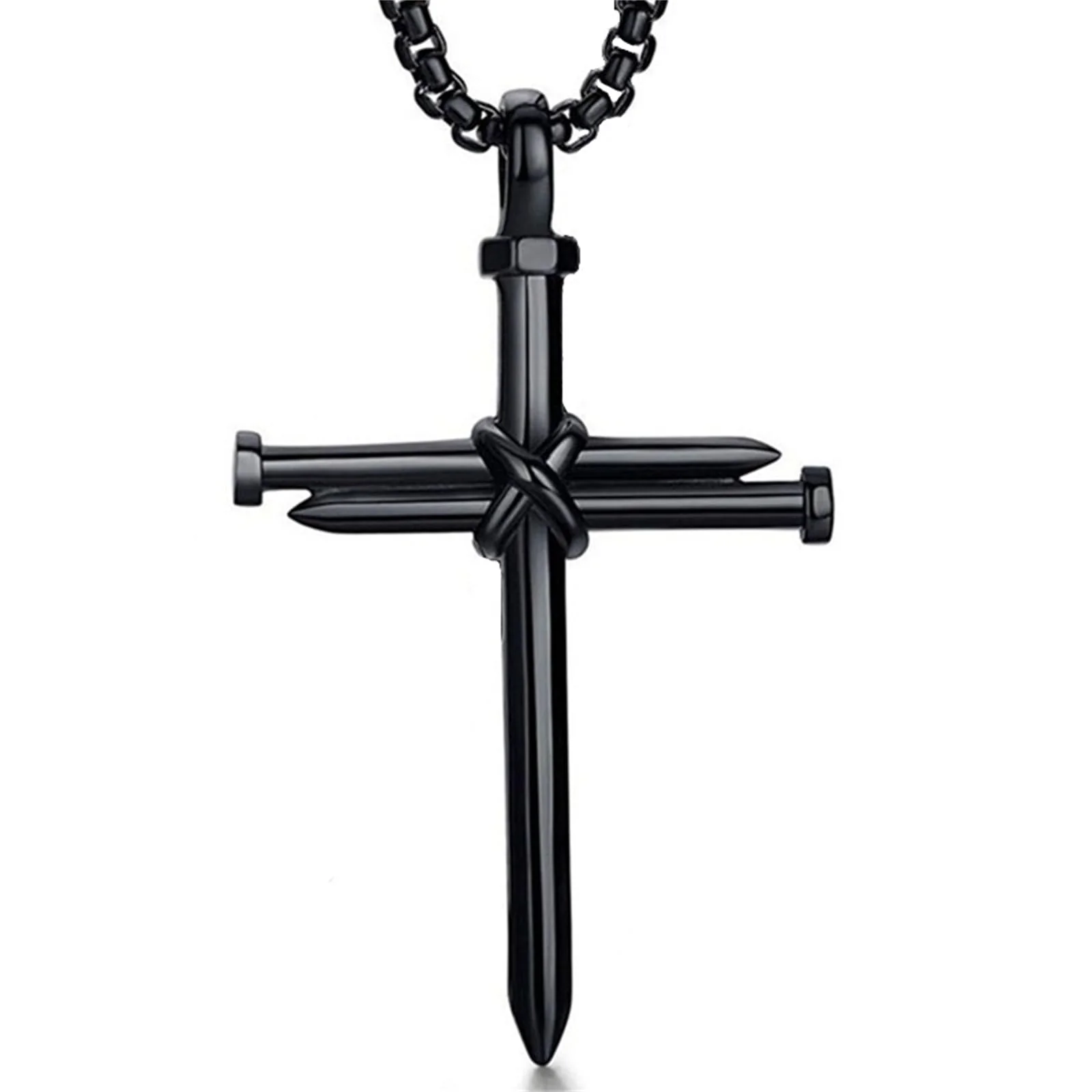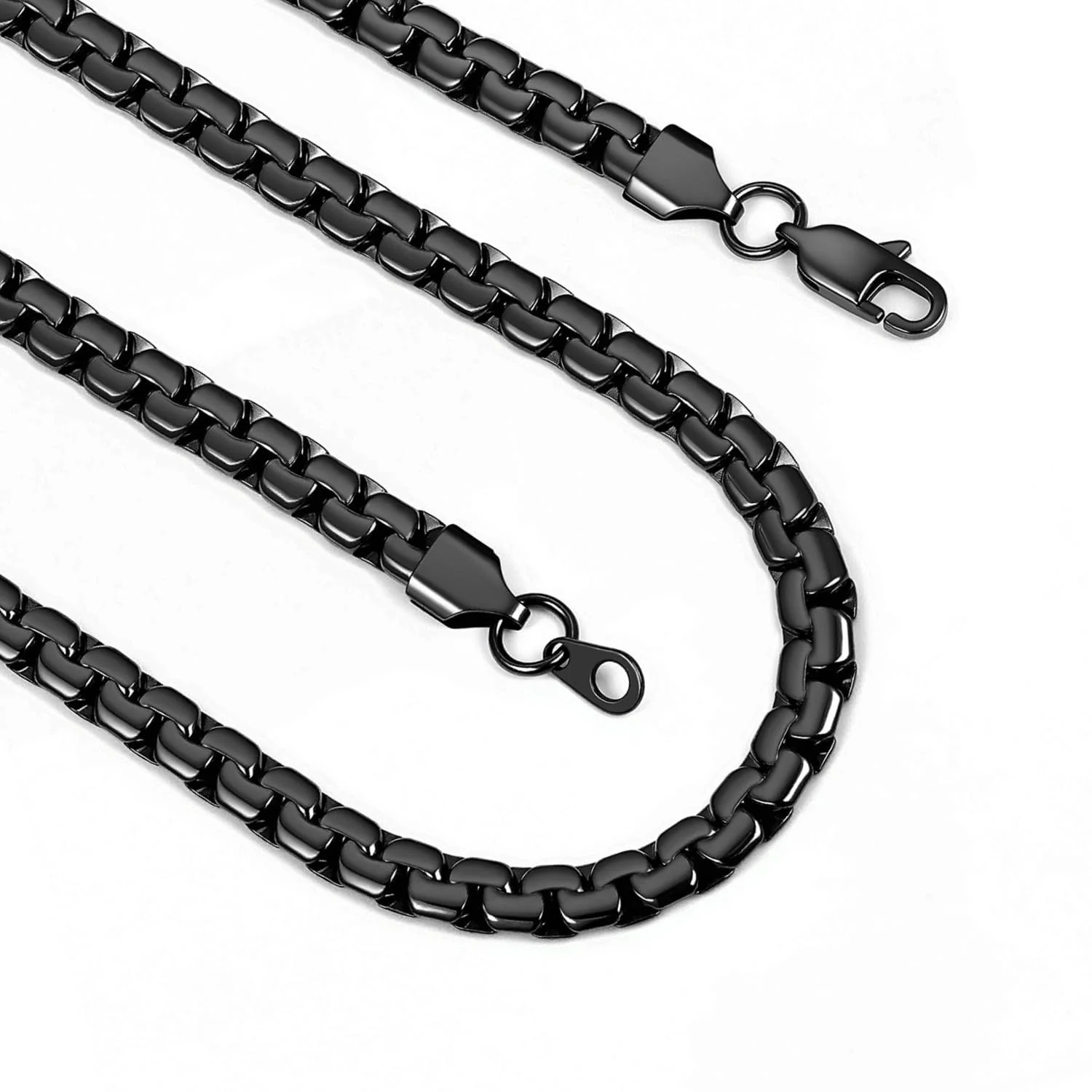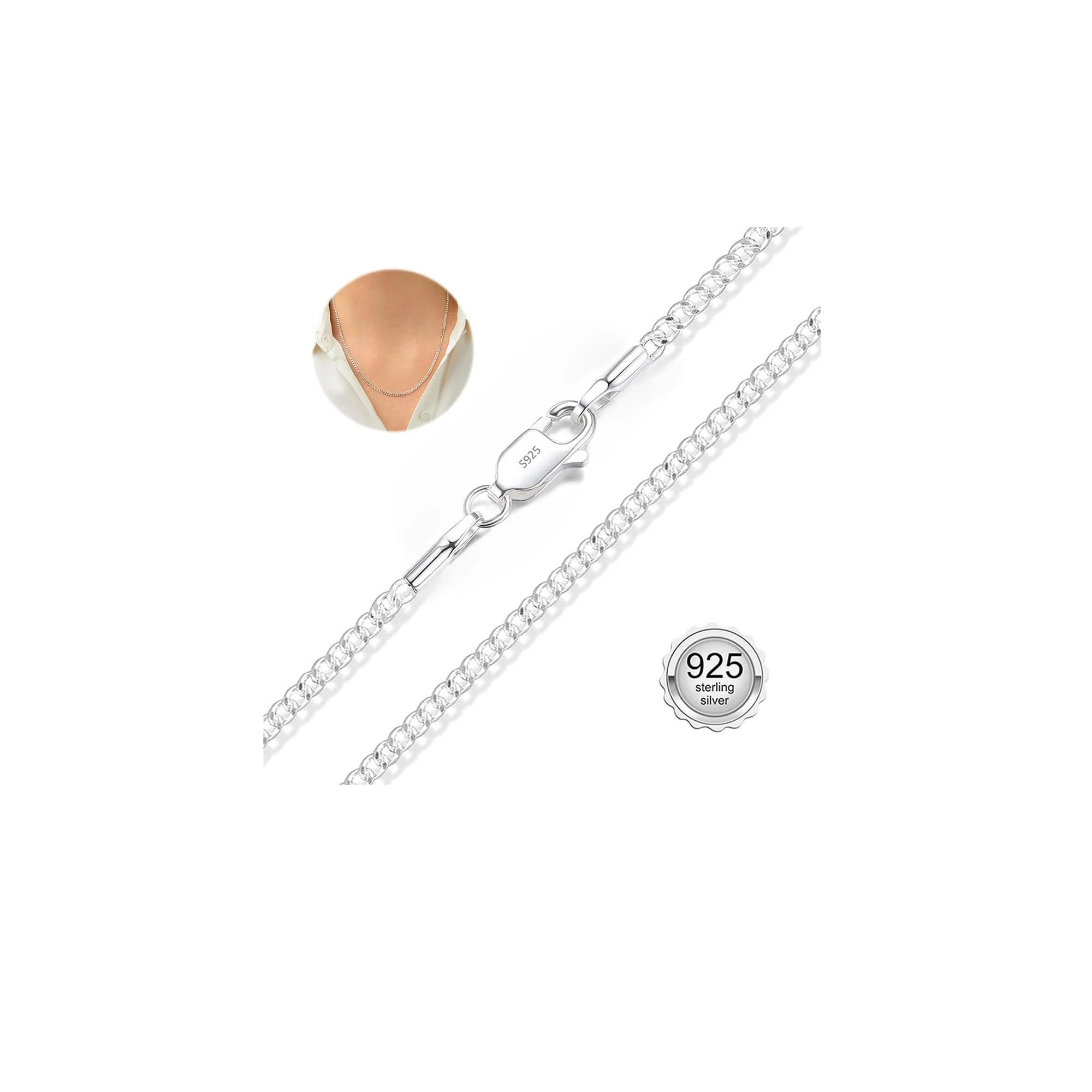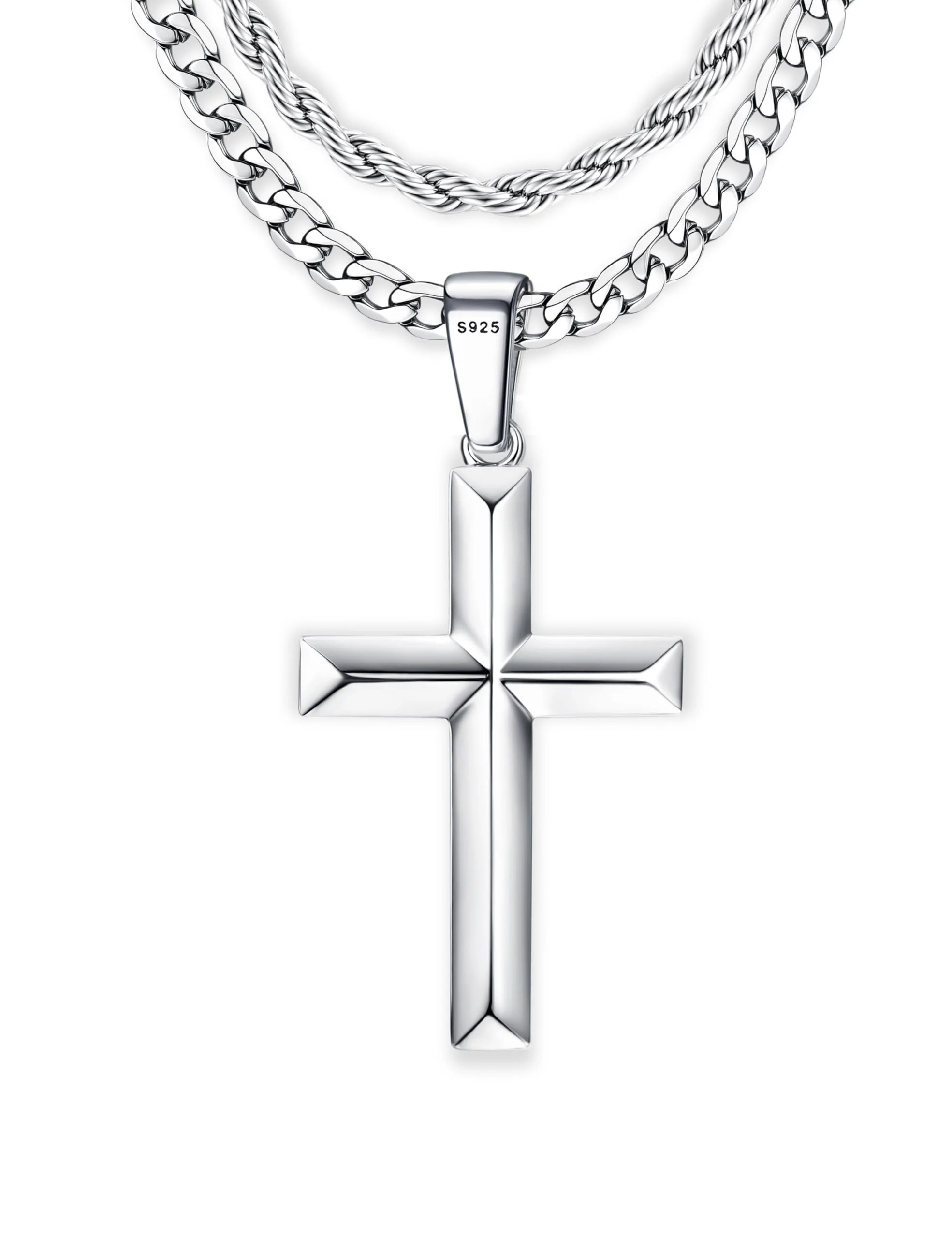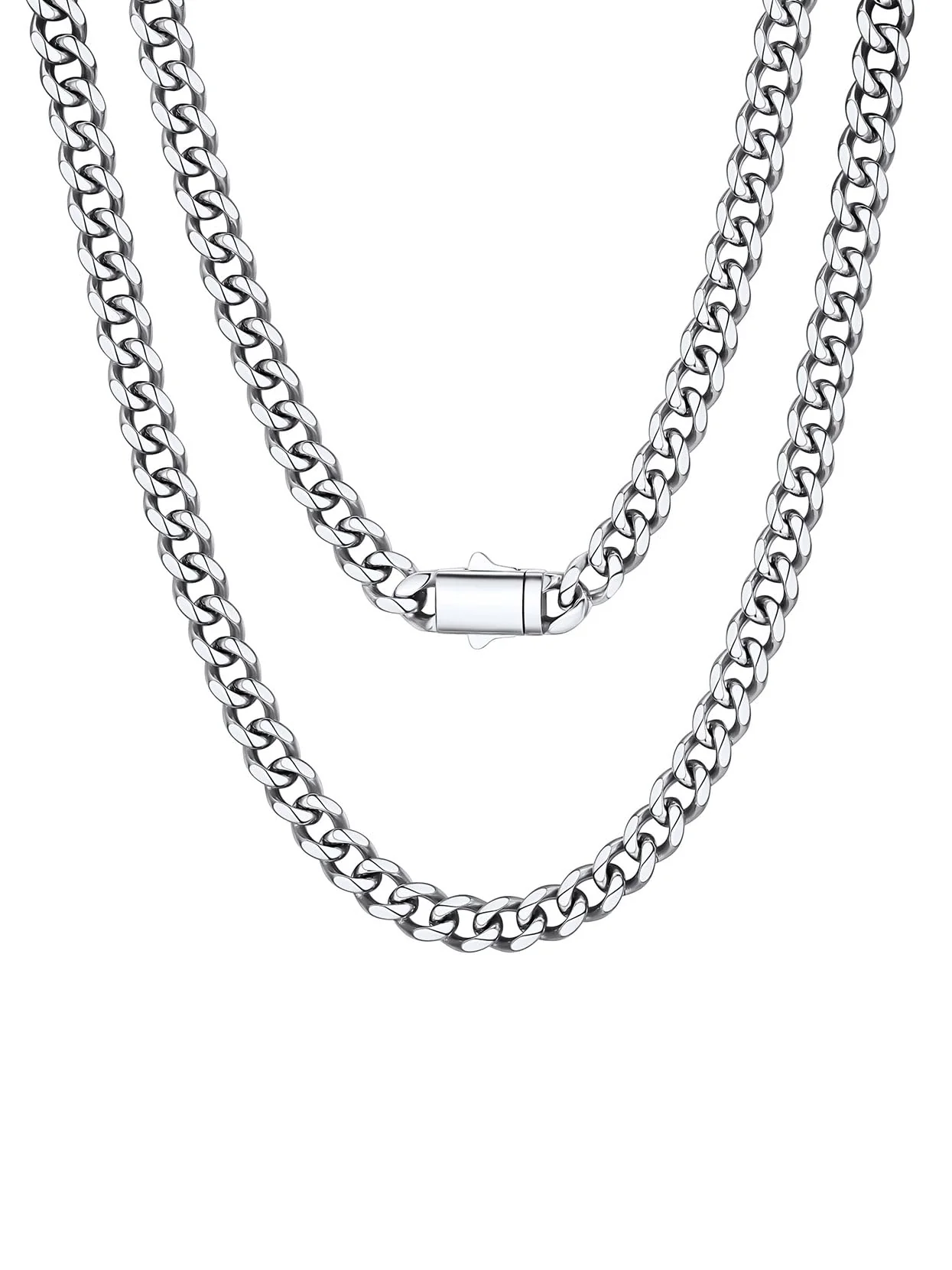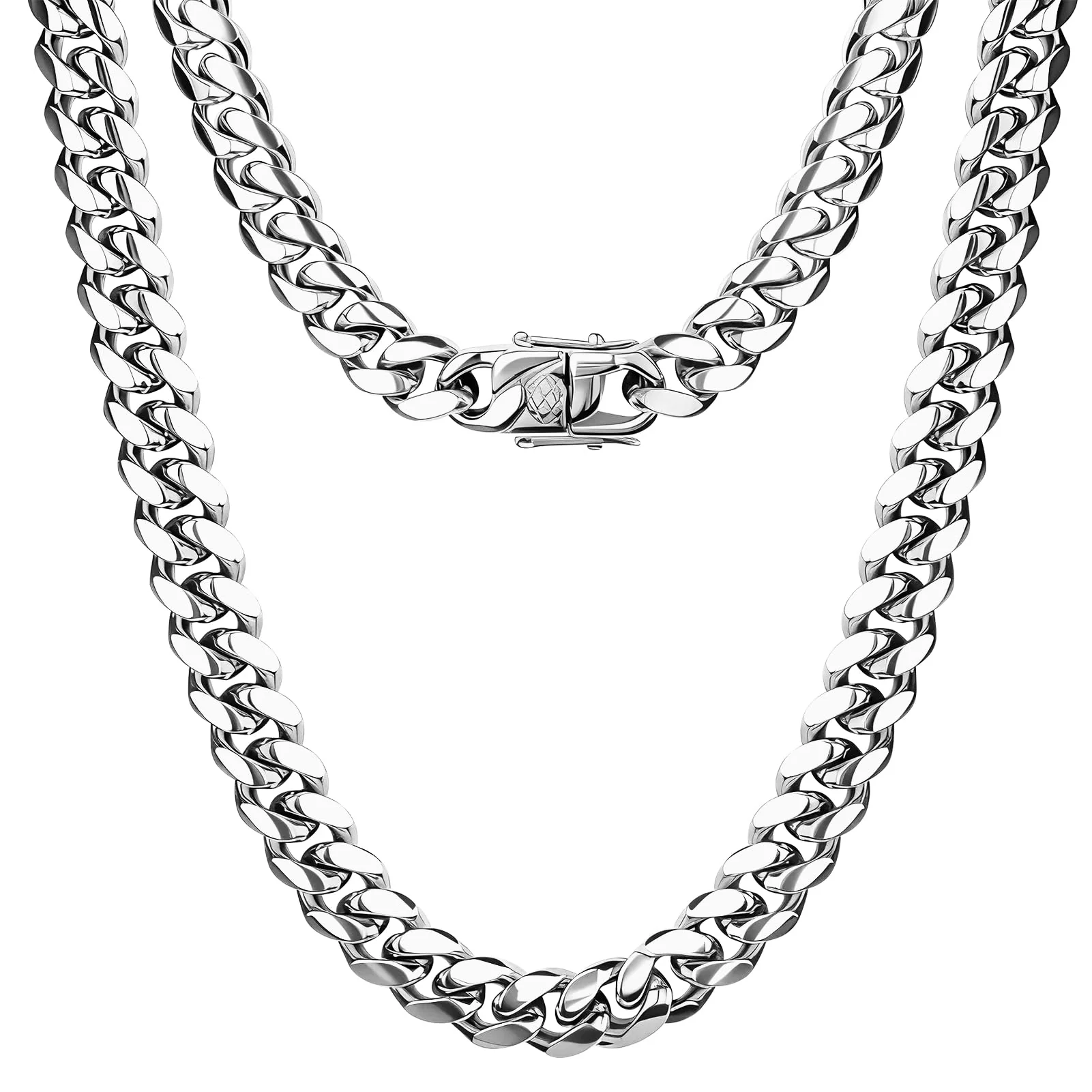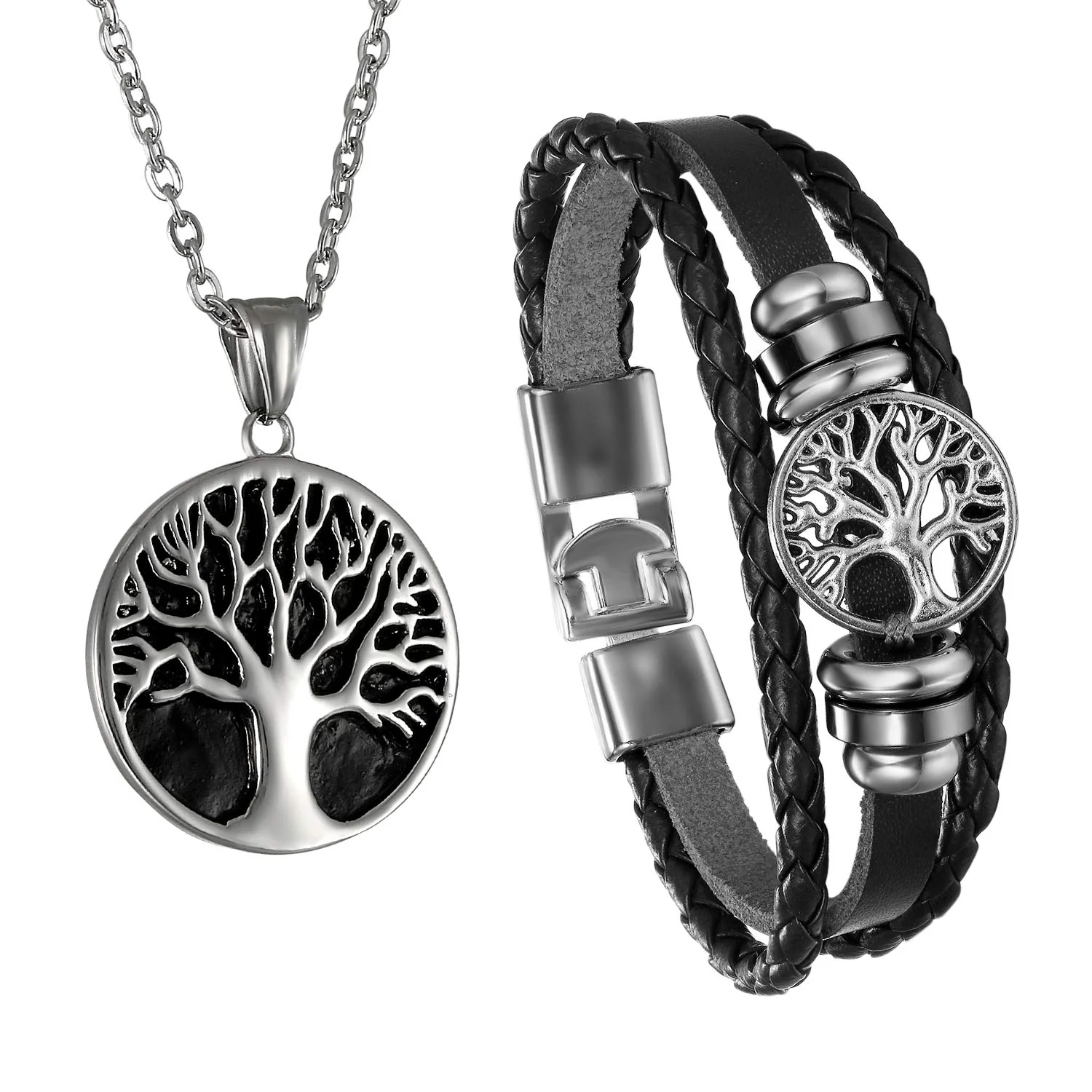
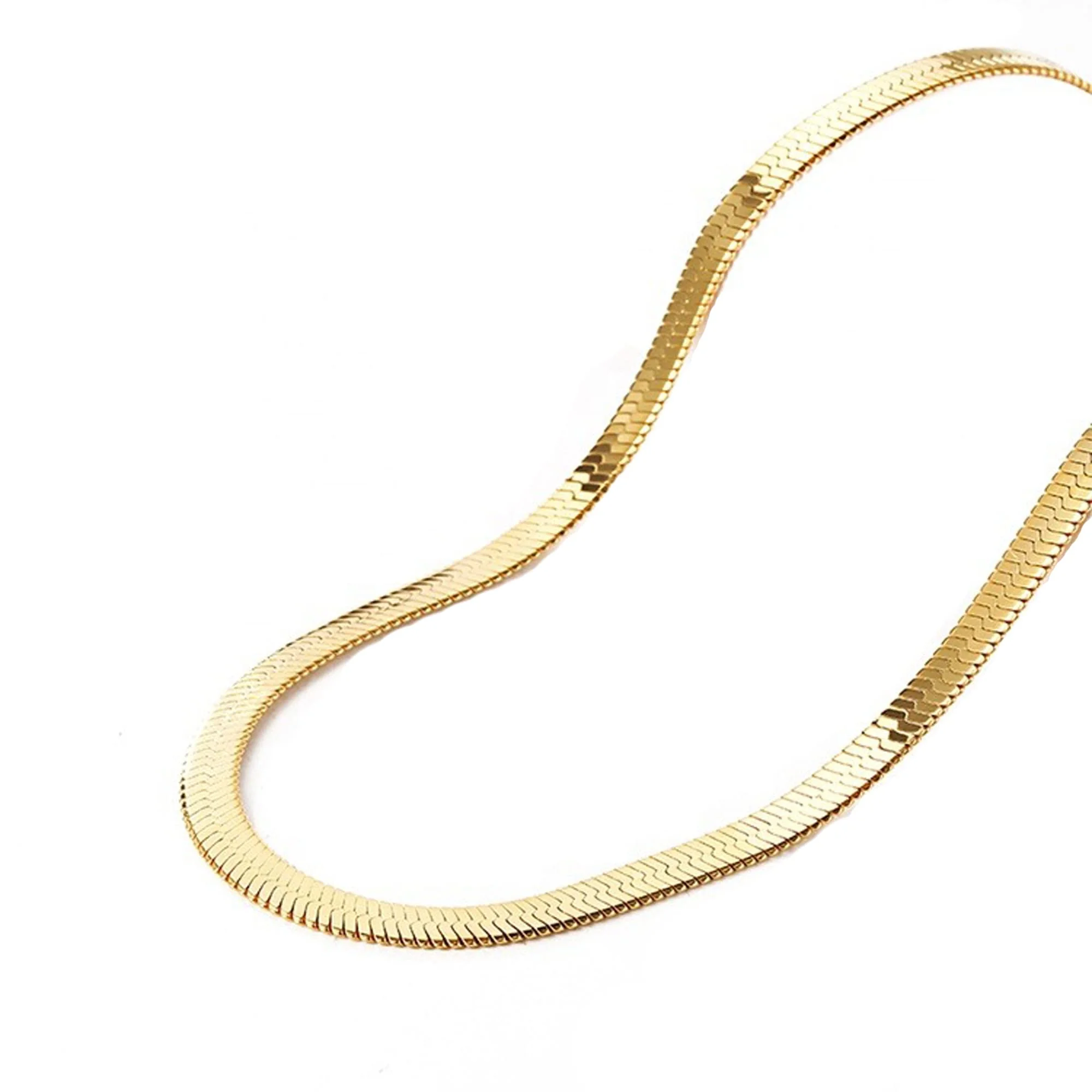
When selecting a herringbone chain necklace from stainless steel options, consider factors like material quality, length, and finish before making your decision.
Why This Jewelry Is Hard to Choose#
Choosing the right herringbone chain can be challenging due to its versatility in both style and function. With various lengths available—ranging from 14 inches for a choker-like fit up to 30 inches for more casual wear—it’s essential to consider how you plan on wearing it daily or for special occasions. Additionally, the choice between gold tone and silver tone can significantly impact your overall look.
Common Buyer Mistakes#
One common mistake is overlooking the importance of material quality when selecting a herringbone chain. Opting for lower-grade stainless steel may result in quicker wear and tear compared to higher-quality options like 316L, which offers better resistance against corrosion and tarnish. Another frequent error is not considering how well the necklace complements your wardrobe; choosing a style that doesn’t match your personal aesthetic can lead to regret.
Real-World Wear Expectations#
In real-world settings, herringbone chains made from 316L stainless steel are durable enough for everyday wear but may show signs of minor scratches or discoloration over time. This type of chain is suitable for casual and semi-formal occasions, offering a sleek look that pairs well with both men’s and women’s attire.
Strengths and Weaknesses#
Strengths: - Durable material resists corrosion. - Versatile lengths accommodate various styles. - Sleek design complements different outfits.
Weaknesses: - May show minor scratches over time with frequent wear. - Not suitable for extreme environments or heavy jewelry use. - Limited customization options compared to other chain types.
Who Should Avoid This Style#
Individuals who prefer highly polished, flawless-looking chains might find the herringbone style’s texture and potential for slight discoloration unsuitable. Those in professions requiring pristine appearance standards should also consider alternatives that offer better resistance against wear and tear.
Comparison With Alternatives#
Compared to other chain styles like cable or box chains, a herringbone necklace offers unique textural appeal but may lack the sleek simplicity of these options. Cable chains provide enhanced durability with smoother surfaces, while box chains deliver a more uniform appearance ideal for formal settings. The choice ultimately depends on personal preference and intended use.
Maintenance and Long-Term Care#
To ensure longevity, clean your herringbone chain regularly using mild soap and water or a specialized jewelry cleaner. Avoid exposing it to harsh chemicals like chlorine or abrasive materials that could cause damage. Storing the necklace in a soft cloth pouch can help prevent scratches when not worn.
Final Thoughts#
Selecting the right herringbone chain involves balancing style, durability, and practicality. By considering factors such as material quality, length versatility, and maintenance requirements, you’ll be better equipped to find a piece that meets your needs without compromising on aesthetics or longevity.