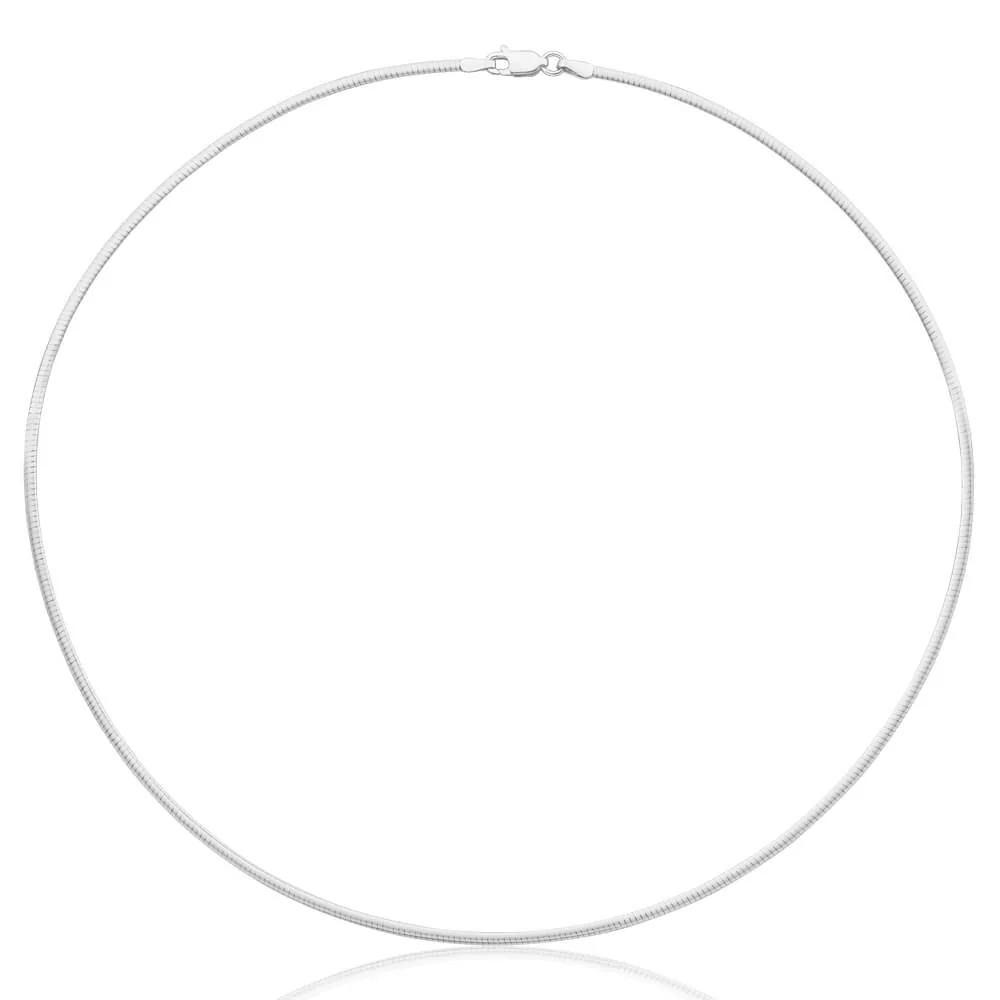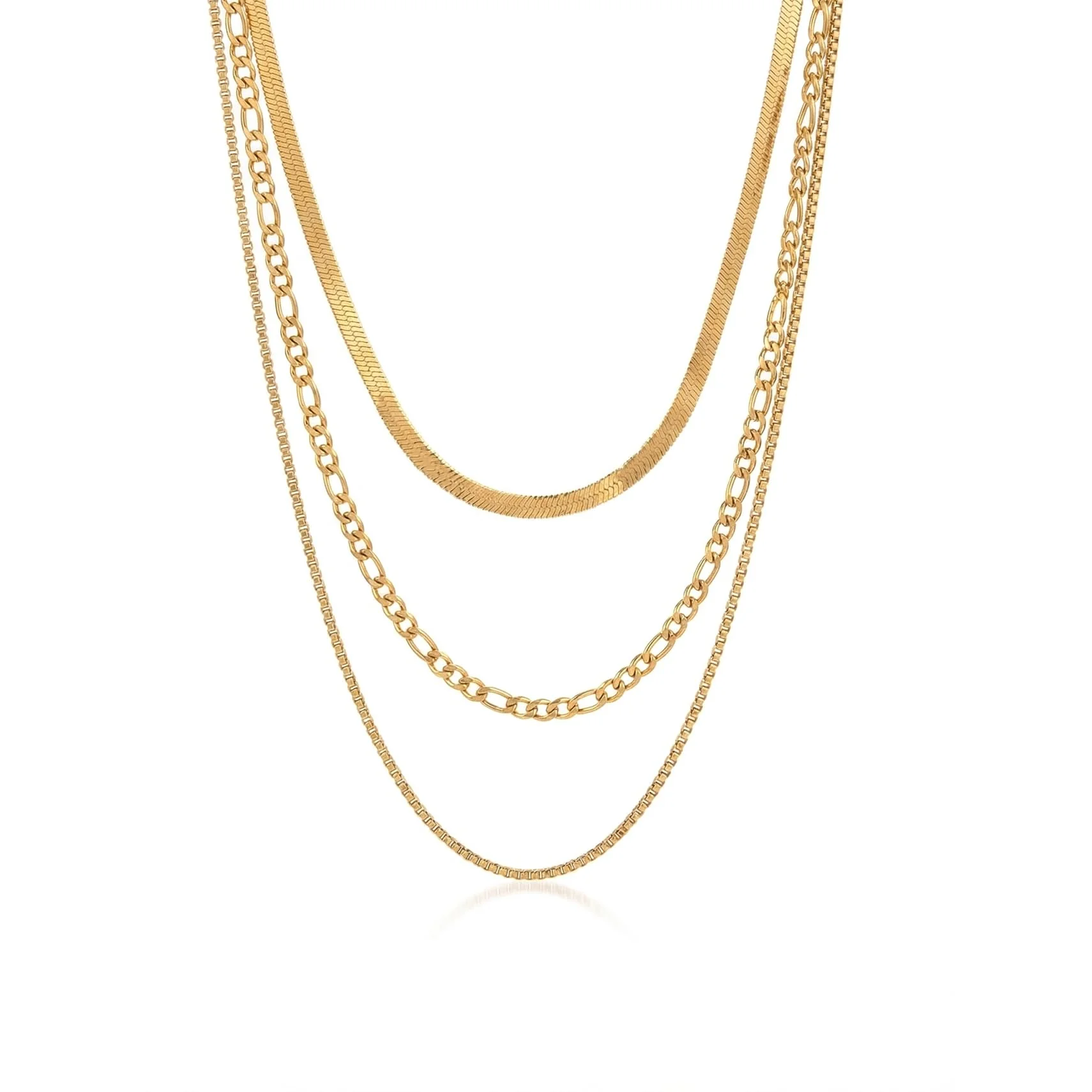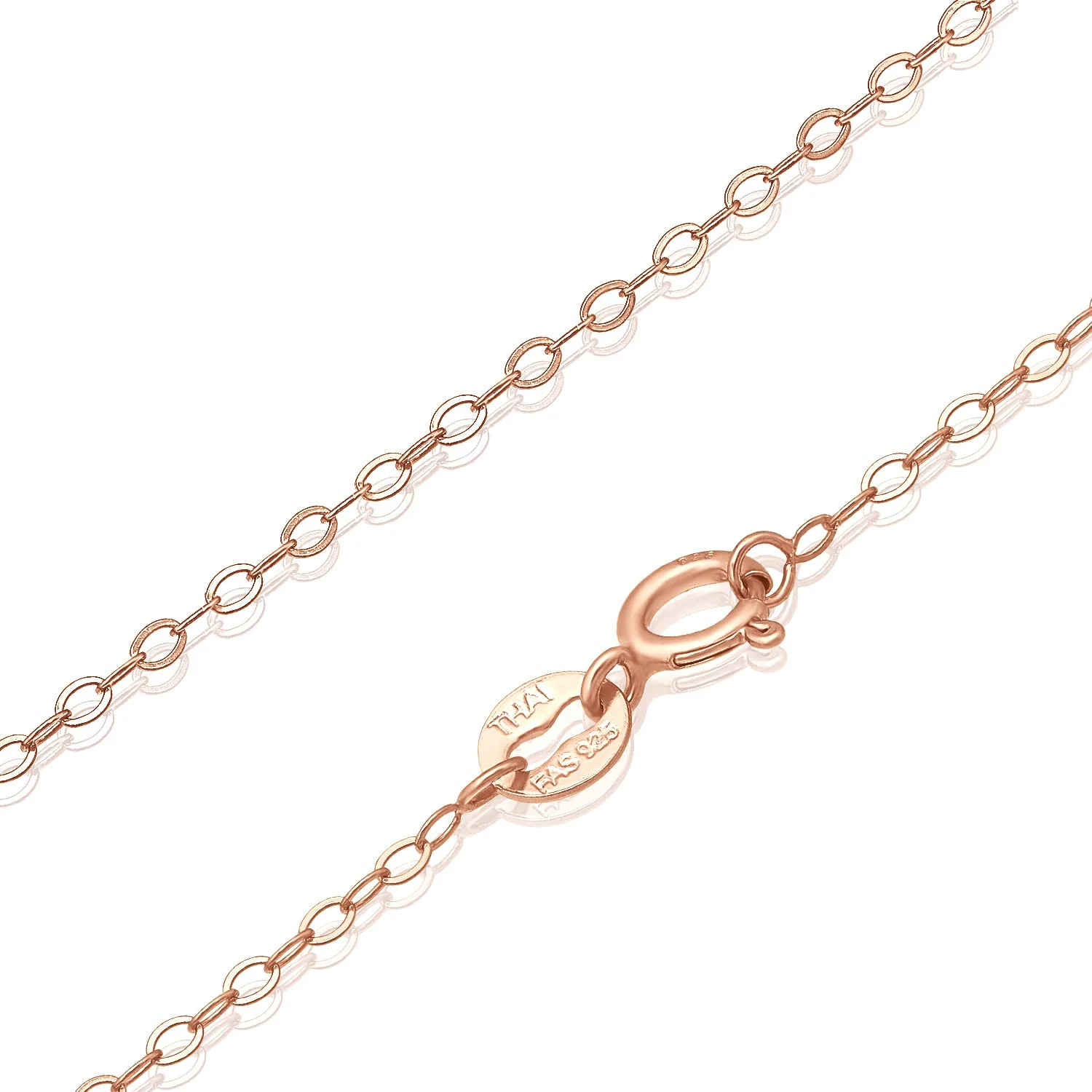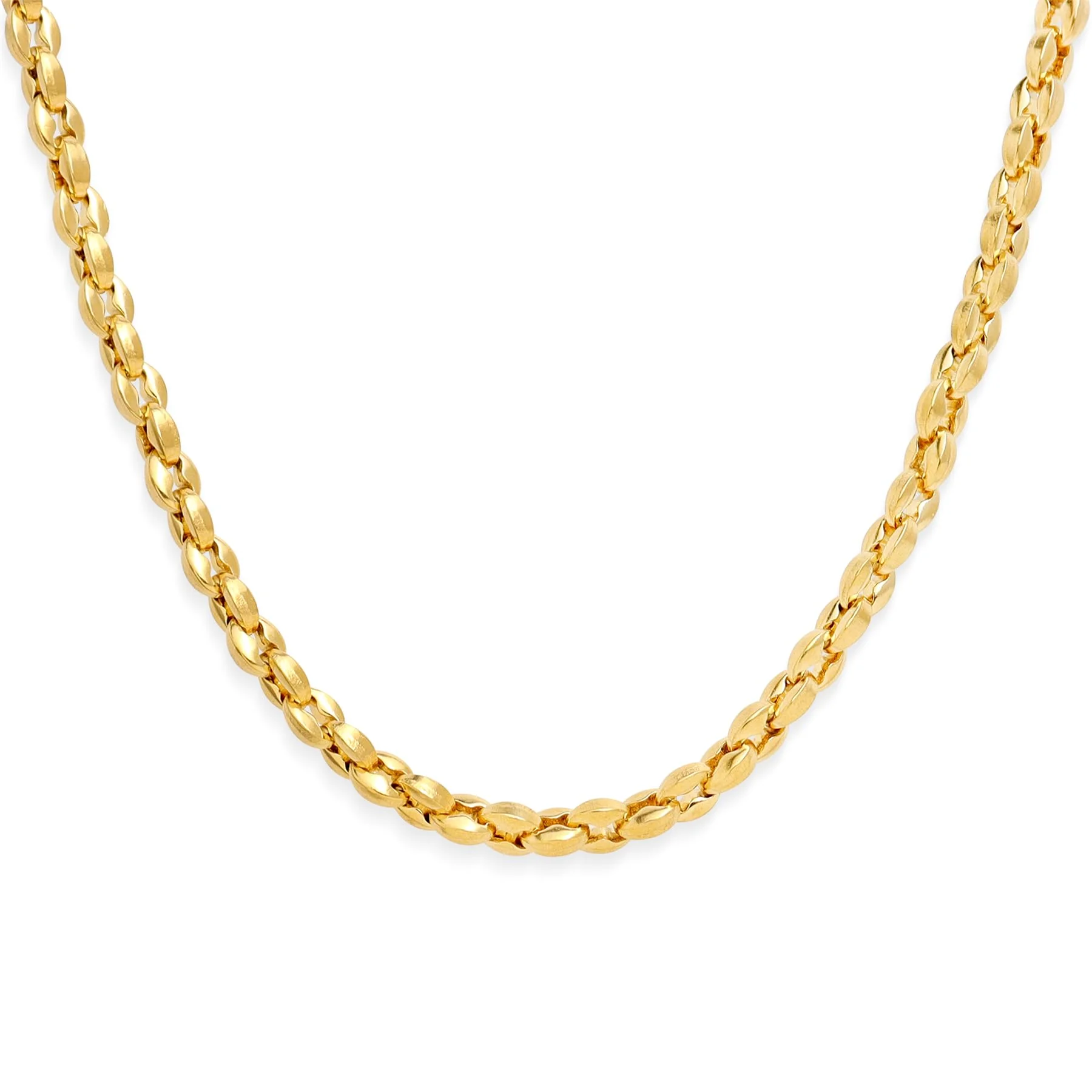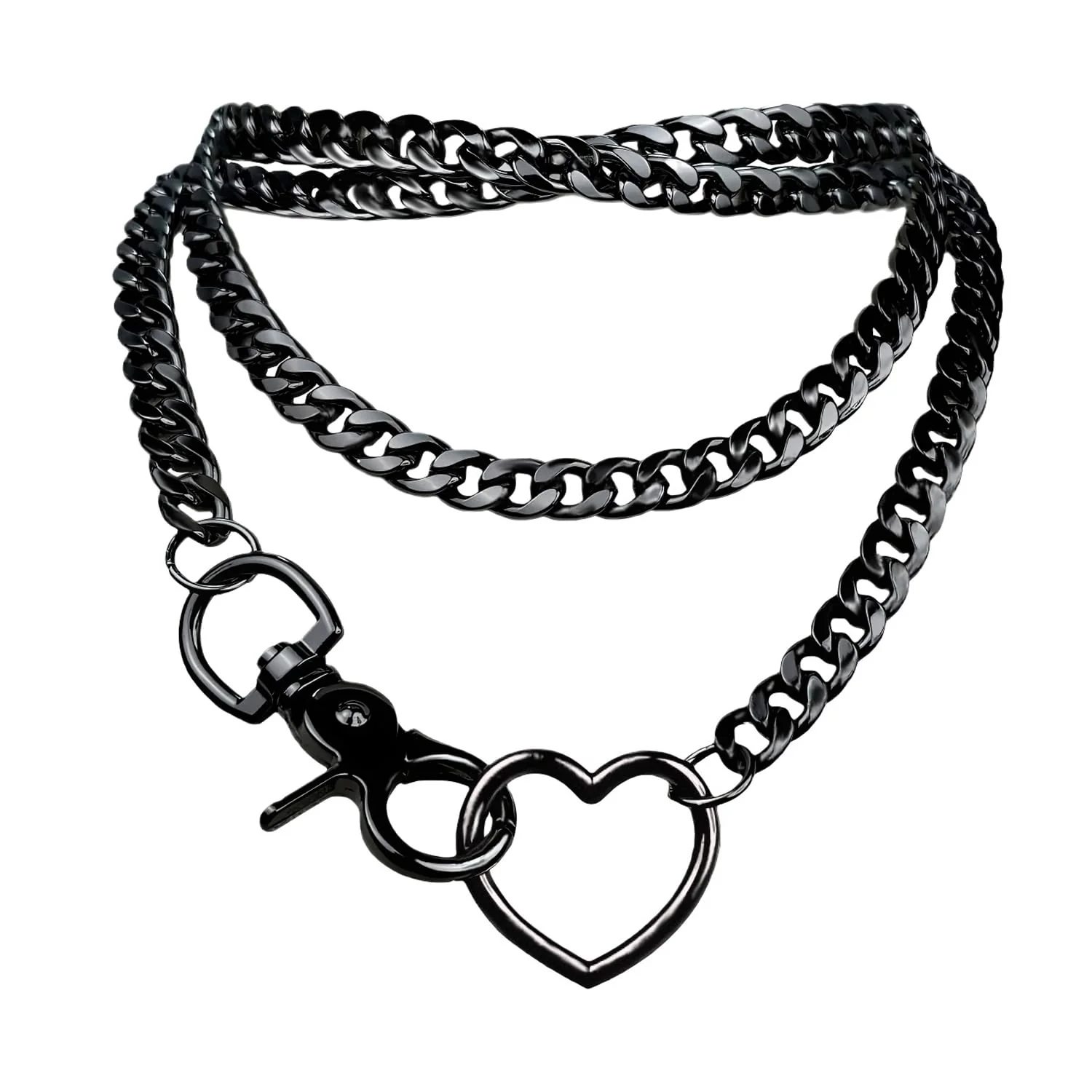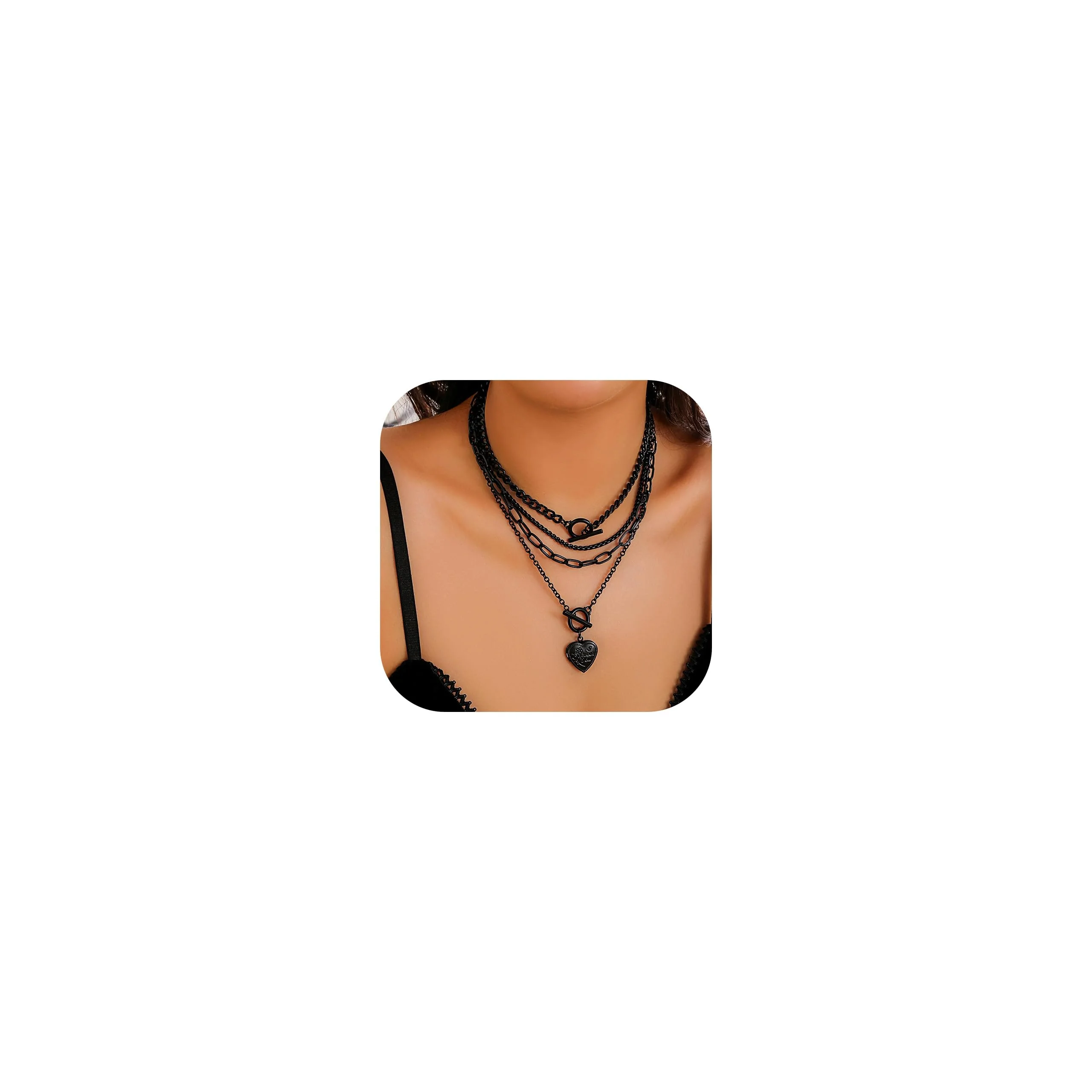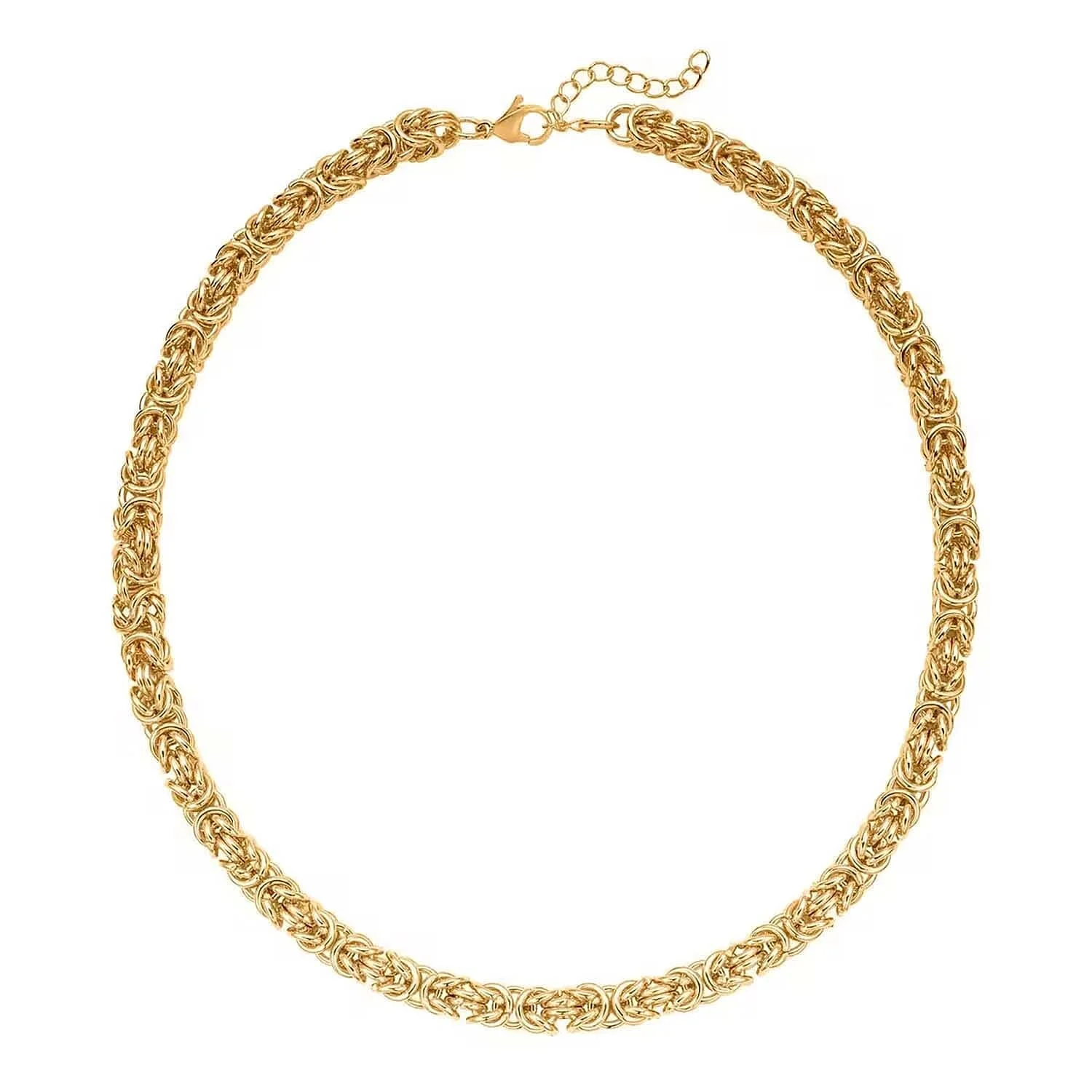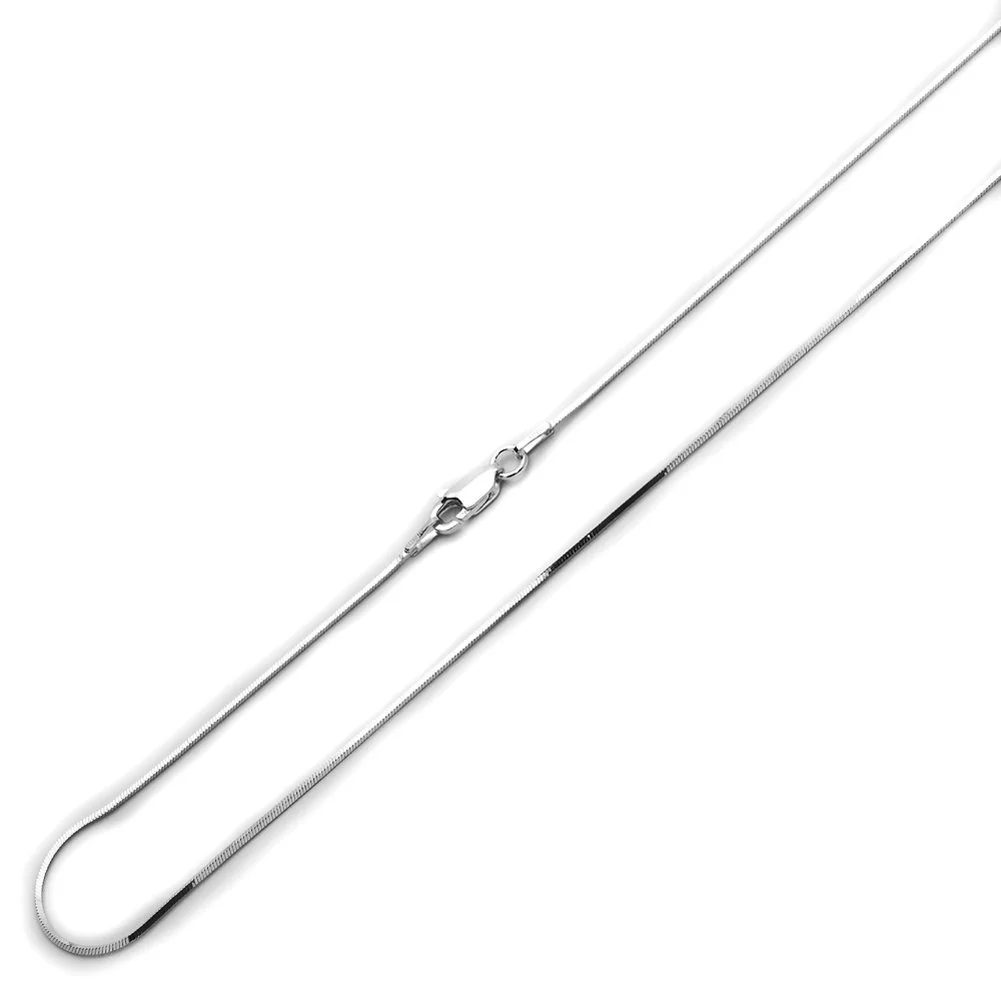
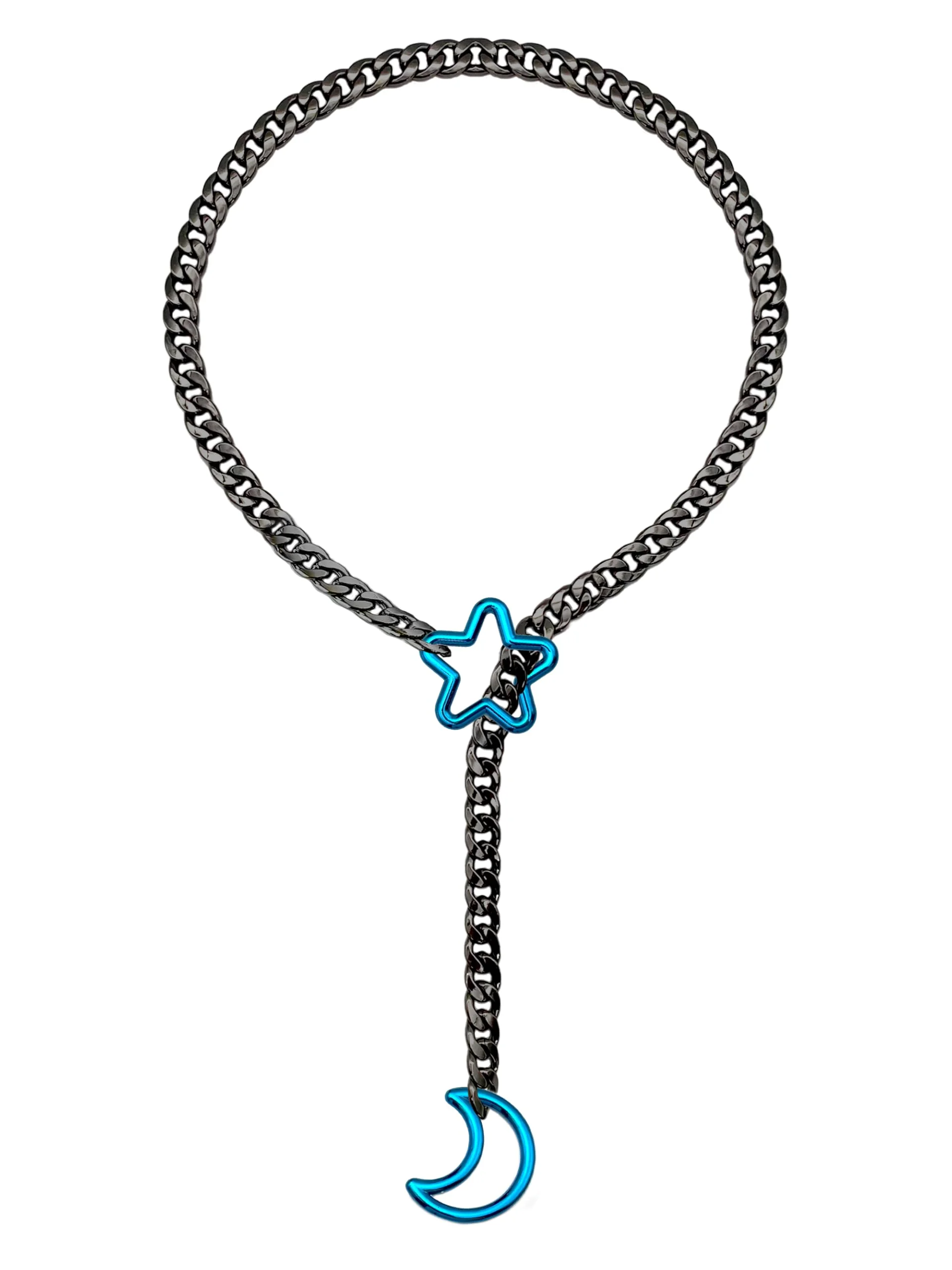
Selecting a pendant necklace that complements your personal style and fits well with your wardrobe can be challenging, especially when considering factors like material quality, design versatility, and wearability.
Why This Jewelry Is Hard to Choose#
Choosing the right pendant necklace involves balancing aesthetic preferences with practical considerations. The market is saturated with various styles, materials, and price points, making it difficult for buyers to find a piece that aligns perfectly with their needs. Additionally, understanding how different metals and stones interact with skin types can be overwhelming without prior knowledge.
Common Buyer Mistakes#
One common mistake is focusing solely on the visual appeal of a pendant necklace rather than its durability or comfort level during wear. Another frequent error is overlooking the importance of metal allergies when selecting materials like nickel or certain alloys, which might cause irritation for some individuals. Lastly, buyers often underestimate how well a piece will integrate into their existing jewelry collection and daily outfits.
Real-World Wear Expectations#
Pendant necklaces can be worn in various settings, from casual outings to formal events, depending on the design’s simplicity or intricacy. However, it is essential to consider factors such as chain length adjustability and pendant size when choosing a piece that will remain comfortable throughout different activities. For instance, longer chains may tangle easily during physical exercise, while smaller pendants might get lost in larger necklaces.
Strengths and Weaknesses#
Strengths: - Versatile design elements allow for pairing with multiple outfits. - Adjustable chain lengths cater to various neckline styles. - Handcrafted pieces often offer unique details not found in mass-produced jewelry.
Weaknesses: - Some materials may tarnish or lose luster over time without proper care. - Certain designs might be too delicate for everyday wear, risking damage from daily activities. - High customization options can lead to higher costs compared to standard pieces.
Who Should Avoid This Style#
Individuals with sensitive skin should avoid pendant necklaces made of materials that commonly cause allergic reactions. Those who prefer minimalistic jewelry or have a preference for simpler designs might also find overly ornate pendants less appealing than more understated styles. Additionally, people engaged in high-impact sports or activities where the necklace could be easily snagged may want to opt for alternatives like chokers or necklaces with thicker chains.
Comparison With Alternatives#
When compared to other types of women’s chain necklaces such as Y-necklaces and lariat necklaces, pendant necklaces offer a unique combination of personalization through customizable pendants. However, they might lack the structural simplicity found in Y-necklaces or the dramatic flair characteristic of lariats. Each style has its own set of advantages depending on one’s specific requirements.
Maintenance and Long-Term Care#
To ensure longevity, pendant necklaces should be stored separately from other jewelry to prevent scratches and tangling. Regular cleaning with a soft cloth can help maintain their appearance by removing oils and residues that accumulate over time. Additionally, avoiding exposure to harsh chemicals like perfumes or lotions when wearing the necklace is crucial for preserving its finish.
Final Thoughts#
Selecting the right pendant necklace requires careful consideration of personal style preferences alongside practical concerns such as wearability and maintenance needs. By understanding these factors thoroughly before making a purchase decision, buyers can find pieces that not only enhance their appearance but also stand up to regular use without compromising on quality or comfort.